
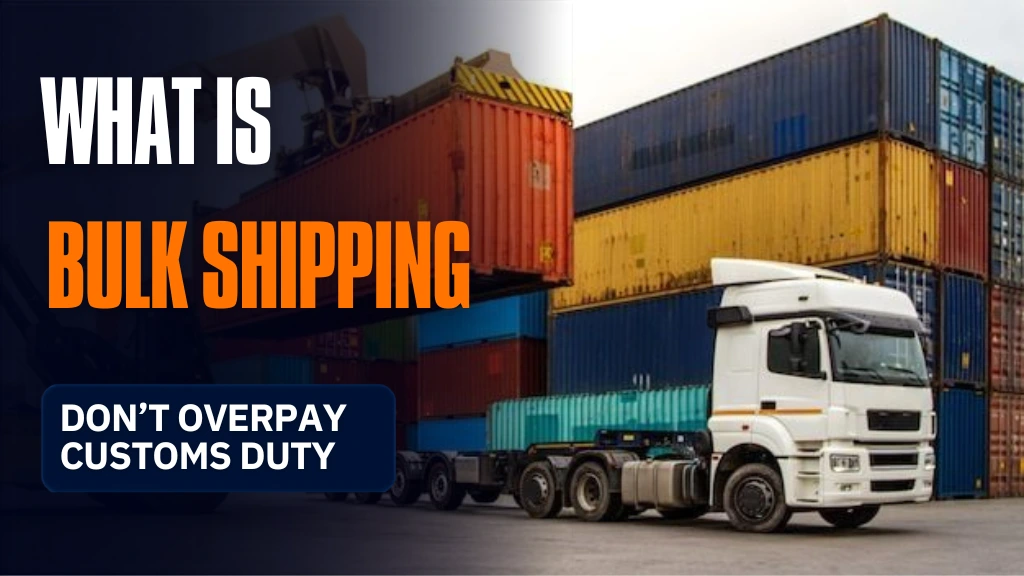
Moving oversized industrial equipment across borders isn’t as simple as loading a standard container onto a ship. Wind turbine blades, construction cranes, mining equipment, and refinery components often exceed container dimensions, making conventional shipping impossible. That’s where Break Bulk shipping comes in.
Break Bulk shipping explained: It is a method of transporting cargo that is loaded, handled, and unloaded as individual pieces rather than packed inside standard shipping containers. This shipping method is widely used for oversized, heavy, or irregularly shaped cargo that cannot fit into conventional containers.
Whether you’re planning an infrastructure project, relocating industrial machinery, or coordinating international logistics for large equipment, understanding how Break Bulk shipping works can help you avoid delays, unnecessary costs, and compliance issues.
What Is Break Bulk Shipping?
Break Bulk cargo refers to goods transported individually instead of inside containers. Each item is loaded separately using cranes, forklifts, or specialised lifting equipment before being secured inside a vessel’s cargo hold or on deck.
Unlike containerised freight, where cargo is packed into standard ISO containers, Break Bulk shipments require customised handling because every item differs in size, weight, and lifting requirements.
Common examples include:
- Industrial machinery
- Power plant equipment
- Steel structures
- Wind turbine components
- Large pipes
- Generators
- Transformers
- Construction equipment
- Mining machinery
- Marine equipment
Many of these shipments also fall under Project Cargo because they are delivered as part of large infrastructure, oil and gas, mining, or renewable energy projects.
How Does Break Bulk Shipping Work?
Break Bulk shipping follows a carefully planned process because every shipment has unique handling requirements.
1. Cargo Assessment
The logistics team evaluates:
- Dimensions
- Weight
- Centre of gravity
- Lifting points
- Packaging requirements
- Transport route
- Port capabilities
This assessment determines the type of vessel, cranes, trailers, and securing methods required.
2. Transport Planning
Since oversized cargo often travels by road before reaching the port, planners coordinate permits, escorts, and route surveys for ODC Logistics (Odd Dimensional Cargo Logistics).
The objective is to move cargo safely from the manufacturing site to the loading port.
Reviewing an Incoterms 2020 guide beforehand helps importers and exporters clearly understand their responsibilities for freight, insurance, and customs at every stage of the shipment.
3. Port Handling
Once the cargo reaches the port, specialised equipment lifts each piece individually onto the vessel.
Operations may involve:
- Mobile harbour cranes
- Heavy lift cranes
- Roll trailers
- Reach stackers
- Lifting beams
- Custom rigging systems
Unlike container terminals, break-bulk terminals are designed to accommodate oversized freight with greater flexibility.
4. Sea Freight Transportation
The cargo is carefully secured using:
- Steel chains
- Lashing belts
- Wire ropes
- Timber dunnage
- Welded supports
- Blocking systems
Proper securing is essential because heavy cargo shifts can damage equipment or compromise vessel stability during rough seas.
5. Destination Delivery
After arrival, the cargo is unloaded individually and transported to the project site using specialised trailers, modular transporters, or heavy-haul vehicles.
Oversized shipments must also complete the customs clearance process before they can proceed to inland transportation and final delivery.
What Types of Cargo Are Transported as Break Bulk?
Break Bulk shipping supports industries where equipment is too large or heavy for standard containers.
Common cargo includes:
- Wind turbine towers and blades
- Boilers
- Heat exchangers
- Refinery modules
- Factory equipment
- Heavy generators
- Excavators
- Cranes
- Steel coils
- Structural steel
- Pressure vessels
- Large tanks
- Railway components
- Ship engines
- Offshore equipment
Many of these shipments require close coordination between manufacturers, transport companies, ports, and installation teams.
Planning oversized shipments? Working with experienced project logistics specialists can help identify the right vessel, lifting equipment, and routing strategy before cargo begins its journey.
Break Bulk vs Container Shipping
One of the most common questions is the difference between Break Bulk and container shipping.
| Feature | Break Bulk Shipping | Container Shipping |
| Cargo Type | Oversized and irregular cargo | Standard packaged goods |
| Loading | Individual pieces | Standard containers |
| Equipment | Heavy lift cranes | Container cranes |
| Flexibility | High | Limited by container dimensions |
| Cost | Depends on handling complexity | Generally lower for standard freight |
| Typical Industries | Construction, energy, mining | Retail, manufacturing, consumer goods |
The biggest difference in Break Bulk vs container shipping is flexibility. While container shipping is ideal for standard cargo, Break Bulk shipping allows businesses to transport cargo that simply cannot fit inside containers.
Businesses should also understand how door-to-door vs port-to-port shipping affects overall transportation costs, handling responsibilities, and final delivery planning for oversized cargo.
What Is Project Cargo Shipping?
Project cargo shipping involves transporting multiple oversized or heavy cargo components required for a single industrial project.
Examples include:
- Power plants
- Oil and gas facilities
- Wind farms
- Mining operations
- Manufacturing plants
- Infrastructure projects
Rather than moving one oversized item, project cargo logistics coordinate hundreds of shipments arriving in sequence so construction schedules remain on track.
Break Bulk shipping is often one component of project cargo transportation.
For example, a wind farm project may involve:
- Break Bulk vessels
- Heavy lift transportation
- Road permits
- Temporary bridge strengthening
- Port storage
- Crane coordination
- Final site installation
Each stage depends on careful planning and scheduling.
Advantages of Break Bulk Shipping
- Suitable for Oversized Cargo: The biggest advantage is that cargo exceeding container dimensions can still be transported safely.
- Flexible Loading Options: Every shipment can be customised according to weight, shape, and handling requirements.
- Supports Large Industrial Projects: Break Bulk shipping enables industries to move equipment required for infrastructure, energy, manufacturing, and mining developments.
- Reduced Repacking: Large equipment can often be shipped fully assembled or partially assembled, reducing installation time at the destination.
- Global Port Access: Many ports equipped for heavy-lift operations can handle Break Bulk cargo, even where specialised container facilities may be limited.
Challenges of Break Bulk Shipping
Although highly effective, Break Bulk shipping also presents unique challenges.
- Complex Planning: Every shipment requires engineering reviews, lifting plans, route surveys, and scheduling.
- Higher Handling Requirements: Since every item is loaded separately, labour and equipment requirements are greater than standard container shipping.
- Weather Sensitivity: Heavy lifting operations may be delayed due to wind, rain, or rough sea conditions.
Need help moving oversized equipment internationally? A logistics partner experienced in Break Bulk and project cargo can coordinate permits, lifting plans, customs, and transport under one managed solution.
Industries That Depend on Break Bulk Shipping
Many industries rely on Break Bulk logistics because container shipping cannot accommodate their equipment. Businesses importing industrial machinery may also benefit from the EPCG Scheme, which can help reduce customs duty on eligible capital goods.
These include:
- Oil and gas
- Renewable energy
- Mining
- Construction
- Manufacturing
- Marine engineering
- Defence
- Infrastructure
- Rail transport
- Power generation
As global infrastructure investment continues to grow, demand for specialised Break Bulk logistics is expected to remain strong.
Best Practices for Successful Break Bulk Shipments
Successful shipments begin long before cargo reaches the port.
- Conduct Detailed Cargo Surveys: Every shipment should include accurate measurements, weight verification, and lifting point identification.
- Select the Right Vessel: Different vessels are designed for different cargo types, including heavy-lift ships, multipurpose vessels, and geared vessels.
- Prepare Engineering Plans: Proper lifting studies and cargo securing calculations reduce operational risks.
- Coordinate Every Transport Stage: Road transport, port operations, customs clearance, sea freight, and final delivery should be planned as one integrated operation rather than independent activities.
- Work with Experienced Specialists: Oversized cargo logistics involve engineering, compliance, marine operations, and heavy transport expertise. Experienced logistics providers help minimise delays while ensuring cargo safety throughout the journey.
Why Planning Matters in Break Bulk Shipping
Unlike standard freight, oversized cargo cannot easily be rerouted or reloaded if something goes wrong.
A missed permit, unavailable crane, incorrect cargo measurements, or unsuitable port can create significant delays and additional costs.
Successful Break Bulk operations depend on:
- Accurate engineering
- Early stakeholder coordination
- Route planning
- Risk assessments
- Cargo securing
- Real-time communication
When these elements come together, businesses can transport complex industrial equipment safely and efficiently across international supply chains.
Conclusion
Understanding break-bulk shipping explained goes beyond knowing that cargo travels outside containers. It involves specialised planning, engineering expertise, heavy lifting equipment, and close coordination across every stage of the logistics chain.
From transporting wind turbine components and refinery equipment to supporting large-scale infrastructure developments, Break Bulk Cargo remains an essential part of global Sea Freight operations. When integrated with effective Project Cargo planning and reliable ODC Logistics, businesses can move oversized shipments safely while reducing operational risks and project delays.
If your shipment exceeds container limits or involves complex industrial equipment, working with an experienced logistics partner ensures your cargo is planned, handled, and delivered with the precision these high-value movements demand.
Frequently Asked Questions
Break Bulk shipping is the transportation of cargo as individual pieces rather than inside standard shipping containers. It is commonly used for oversized, heavy, or irregularly shaped equipment.
Industries such as oil and gas, renewable energy, mining, construction, manufacturing, marine engineering, and infrastructure regularly use Break Bulk shipping to transport heavy machinery and oversized equipment.
Industries such as oil and gas, renewable energy, mining, construction, manufacturing, marine engineering, and infrastructure regularly use Break Bulk shipping to transport heavy machinery and oversized equipment.
Not always. Project cargo shipping refers to the coordinated transportation of multiple cargo components for a large industrial project. Break Bulk cargo is often part of a project cargo movement but can also be shipped independently.