
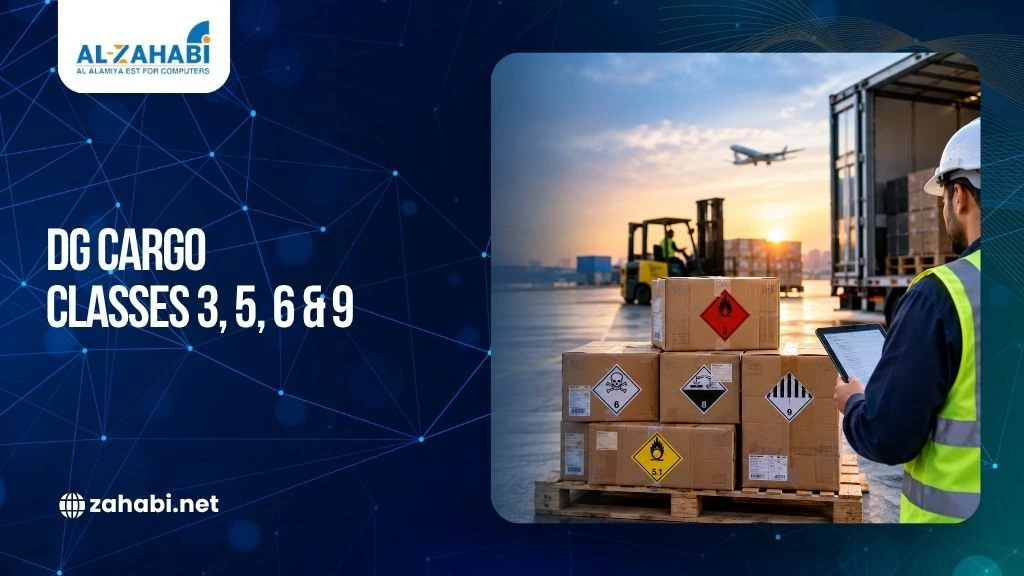
Booking a shipment before confirming its dangerous-goods classification can create problems later. A battery may need a different transport assessment from a flammable liquid, while a chemical classified as toxic may have documentation requirements that do not apply to ordinary cargo.
For manufacturing and procurement teams, DG cargo classification in India is therefore not just a compliance formality. It determines which dangerous-goods provisions may apply, which transport modes can be used, what information must appear in shipping documents, and whether additional carrier or regulatory requirements need to be considered.
The international dangerous-goods system divides hazardous substances and articles into nine classes according to the hazards they present during transport. The class number itself does not indicate how dangerous one substance is compared with another.
Key Takeaways:
- Class 3 covers flammable liquids, while Class 5 covers oxidizing substances and organic peroxides.
- Class 6 covers toxic and infectious substances through Divisions 6.1 and 6.2.
- Class 9 covers miscellaneous dangerous substances and articles, including many lithium-battery shipments.
- Classification affects transport documentation, carrier acceptance and applicable regulatory requirements.
- The shipper remains responsible for providing correct classification information.
What Does DG Cargo Classification Mean?
Dangerous-goods classification is the process of identifying the hazard presented by a substance or article during transport and assigning it to the applicable dangerous-goods class.
The UN Model Regulations establish nine dangerous-goods classes. They cover hazards ranging from explosives and gases to flammable liquids, toxic substances, corrosives and miscellaneous dangerous goods. Some classes are further divided into divisions.
The classification is not simply a description of the product’s commercial use.
For example, calling a product an “industrial chemical” does not tell a carrier whether it is flammable, corrosive, toxic or otherwise regulated. The relevant technical information must be assessed against the applicable dangerous-goods classification criteria.
IATA’s Dangerous Goods Regulations specifically place responsibility for correct classification on the shipper and advise that classification information should be obtained from the manufacturer or distributor, an accredited testing laboratory or the competent authority where appropriate.
This makes classification an important step before booking freight.
Dangerous Goods Classes at a Glance
The UN dangerous-goods system groups hazardous substances and articles into nine classes according to the hazard they present during transport. Some classes are further divided into divisions. The table below highlights the classes most relevant to the cargo discussed in this guide.
| DG Class | Main Hazard | Common Examples | Relevant Division |
| Class 1 | Explosives | Explosive substances and articles | 1.1–1.6 |
| Class 2 | Gases | Flammable, non-flammable/non-toxic and toxic gases | 2.1–2.3 |
| Class 3 | Flammable liquids | Certain fuels, solvents and paints | — |
| Class 4 | Flammable solids and related hazards | Flammable solids, spontaneously combustible substances and substances that emit flammable gases with water | 4.1–4.3 |
| Class 5 | Oxidizing substances and organic peroxides | Oxidizers and organic peroxides | 5.1–5.2 |
| Class 6 | Toxic and infectious substances | Toxic substances and infectious substances | 6.1–6.2 |
| Class 7 | Radioactive material | Radioactive substances and materials | — |
| Class 8 | Corrosive substances | Materials that cause severe damage to living tissue or other goods | — |
| Class 9 | Miscellaneous dangerous substances and articles | Certain lithium batteries and other goods presenting hazards not covered by Classes 1–8 | — |
The class identifies the primary transport hazard, but classification does not end with the class number. The applicable UN number, proper shipping name, subsidiary hazard, packing group where applicable, transport mode and other regulatory requirements must also be confirmed before shipment.
Class 3: Flammable Liquids
Class 3 covers flammable liquids. Under the UN dangerous goods classification system, Class 3 covers liquids that present a flammable hazard during transport.
This can include certain solvents, fuels, paints, chemical mixtures, and other industrial liquids, depending on their properties and the applicable classification criteria.
For a procurement or logistics team, the commercial product name is not enough to establish classification. Technical information such as the product’s composition and relevant physical properties may be needed to determine its correct transport status.
A product can also have subsidiary hazards in addition to its primary class. This is why a logistics team should not assume that knowing “Class 3” provides every detail needed for booking.
The applicable dangerous-goods entry can also determine other information required for transport documentation, including the proper shipping name and UN number.
Why Class 3 Classification Matters
A Class 3 shipment may be subject to specific transport restrictions and documentation requirements depending on the mode of transport, quantity and applicable regulatory framework.
For sea freight, the IMDG Code governs the maritime transport of dangerous goods in packaged form. The Code provides requirements for individual dangerous-goods entries and addresses areas including packing, container traffic and segregation.
For air freight, IATA’s Dangerous Goods Regulations provide the applicable framework for dangerous-goods transport by air.
For air shipments involving regulated cargo, understanding how to choose a freight forwarder with IATA access can also help businesses evaluate the required handling and coordination capabilities.
So, identifying a product as Class 3 is only the beginning. The transport mode must also be considered.
Class 5: Oxidizing Substances and Organic Peroxides
Class 5 covers oxidizing substances and organic peroxides. It is divided into two divisions: Class 5.1 for oxidizing substances and Class 5.2 for organic peroxides.
Oxidizing substances can present hazards because they can contribute to combustion or intensify a fire involving other materials. Organic peroxides have their own specific transport hazards and classification considerations.
This distinction matters because two products that are both described commercially as “oxidizers” may not necessarily have identical transport requirements.
The applicable UN entry, proper shipping name, classification information and other regulatory details should therefore come from the product’s technical documentation and the relevant dangerous-goods framework.
Why Class 5 Requires Careful Classification
For manufacturing teams, classification can become particularly important when purchasing chemicals used in production processes. A procurement team may know the commercial product and intended application but still need technical information from the manufacturer or supplier to determine how the material should be treated for transport.
The UN dangerous-goods system assigns substances and articles according to their transport hazards rather than simply their commercial purpose.
That distinction becomes important when preparing hazardous cargo documentation in India because the transport documents need to reflect the correct dangerous-goods information.
A classification error at this stage can result in a mismatch between the product, its documentation and the carrier’s acceptance requirements.
Class 6: Toxic and Infectious Substances
Class 6 covers toxic and infectious substances and is divided into Class 6.1 and Class 6.2. Class 6.1 covers toxic substances, while Class 6.2 covers infectious substances.
This distinction is particularly relevant to pharmaceutical, healthcare, laboratory and chemical supply chains.
Class 6.1 concerns substances that can cause poisoning or other toxic effects under the applicable classification criteria. Class 6.2 addresses infectious substances capable of causing disease in humans or animals.
The classification of infectious substances has additional distinctions. For example, certain infectious substances are assigned to UN numbers such as UN2814 or UN3373 depending on their applicable category.
This means a company shipping diagnostic materials should not simply label all biological materials as “Class 6.” The specific classification must be established under the applicable transport rules.
Why Class 6 Classification Affects Documentation
The transport mode can affect which requirements apply to Class 6 goods.
For air transport, IATA’s DGR includes specific provisions for dangerous goods and infectious substances. IATA also makes current dangerous-goods documentation and classification guidance available through its dangerous-goods resources.
For a logistics team, the important point is that classification should be established before the shipment reaches the booking stage. The correct UN number, proper shipping name and applicable transport requirements should be confirmed from authoritative information.
Teams handling regulated shipments should also understand what happens to your shipment at customs so they can anticipate documentation checks and potential clearance requirements.
Class 9: Miscellaneous Dangerous Goods
Class 9 covers miscellaneous dangerous substances and articles that present a hazard during transport but do not fall within the definitions of the other classes. The UN classification system also includes environmentally hazardous substances within Class 9.
Class 9 is particularly relevant to modern supply chains because it includes various battery-related dangerous goods.
Lithium batteries are a major example.
Why Lithium Batteries Are Class 9
Certain lithium cells and batteries are classified as Class 9 dangerous goods under the applicable transport regulations. The specific UN number and transport requirements depend on the battery type, configuration and shipment circumstances.
The IMO’s IMDG Code includes lithium-battery entries within Class 9.
For air transport, IATA’s Battery Shipping Regulations cover lithium batteries and address their classification, identification, documentation and other applicable requirements.
This is why dangerous goods Class 9 lithium battery shipping cannot be treated as a generic “battery shipment.” A procurement team needs to establish exactly what type of battery is being shipped and under which applicable transport entry.
IMDG Code Classification vs Air Dangerous-Goods Classification
The same dangerous goods may be subject to different requirements depending on how they are transported. The IMDG Code applies to the maritime transport of dangerous goods in packaged form, while air transport follows the applicable ICAO requirements and the IATA Dangerous Goods Regulations.
Both frameworks use the international nine-class dangerous-goods system, but their operational requirements are not interchangeable. Packaging, quantity limitations, documentation, handling, segregation and carrier acceptance conditions can vary according to the transport mode.
For example, a shipment classified as Class 9 does not automatically have identical documentation, quantity limitations or acceptance conditions for sea and air transport.
Businesses planning regulated air shipments can also review air cargo myths that may lead Indian SMEs to make costly shipping decisions before selecting a transport option.
IMDG vs. IATA: Key Differences for DG Classification
IMDG and IATA use the same underlying UN dangerous-goods class system, but they apply it to different transport environments. The IMDG Code governs the maritime transport of dangerous goods in packaged form, while the IATA Dangerous Goods Regulations (DGR) provide the industry framework for transporting dangerous goods by air.
| Classification Consideration | IMDG Code | IATA DGR |
| Transport mode | Sea transport | Air transport |
| Regulatory framework | International maritime dangerous-goods requirements under the SOLAS framework | Air dangerous-goods requirements based on ICAO Technical Instructions, with IATA operational requirements |
| DG classes | Uses the UN nine-class system | Uses the UN nine-class system |
| Classification | Determines the applicable hazard class, UN number, proper shipping name and related requirements | Determines the applicable hazard class, UN number, proper shipping name and air-transport requirements |
| Packing requirements | Packing, container and stowage requirements are governed by the applicable IMDG provisions | Packing instructions and packaging requirements are specified for air transport in the IATA DGR |
| Documentation | Dangerous-goods transport information and documentation required under the IMDG framework | Includes applicable air-transport documentation such as the Shipper’s Declaration and Air Waybill requirements |
| Additional restrictions | Includes maritime stowage, segregation and port-related requirements | Includes air-transport limitations, airline/operator variations and other air-specific restrictions |
The key point for shippers is that the hazard class may remain the same while the operational requirements change with the transport mode. A Class 3 or Class 9 shipment moving by sea should therefore not automatically be prepared using the documentation, packing instructions or acceptance assumptions used for an air shipment.
If a shipment changes from sea to air, the logistics team should review the requirements for the new transport mode rather than simply reusing the original documentation. Confirm the:
- Correct UN number
- Proper shipping name
- Hazard class
- Applicable subsidiary hazard
- Packing group, where applicable
- Transport-specific packing requirements
- Required documentation
- Carrier or operator requirements
- Applicable state or national variations
The IMDG Code’s 2024 Edition, incorporating Amendment 42-24, became mandatory on 1 January 2026, while IATA publishes its DGR annually for air transport. Teams should therefore verify the edition and requirements applicable to the shipment date.
Why Correct Classification Matters Before Booking
Classification affects much more than the cargo description on an invoice.
A carrier needs accurate dangerous-goods information to determine whether the shipment can be accepted and under what conditions. Incorrect classification can therefore lead to booking rejection, documentation discrepancies or additional compliance review.
This is particularly important for products that have changed formulation, packaging configuration or technical specifications.
For example, a manufacturer may purchase a chemical under a familiar commercial name but receive a revised formulation. If the technical classification has changed, relying on an old transport record can create a compliance problem.
The safest approach is to treat classification as a technical verification step, not an administrative assumption.
Ready to ship regulated cargo? Contact ClearFast to discuss your shipment details and confirm the applicable DG classification, transport mode and documentation requirements before you book.
What Documentation Does a DG Shipment Need?
The exact documentation depends on the dangerous goods, transport mode, applicable regulations and carrier requirements.
Depending on the shipment, documentation may include:
- Commercial invoice
- Packing list
- Transport document
- Dangerous Goods Declaration, where applicable
- Safety Data Sheet or relevant technical information
- Export and customs documentation
- Required permits or approvals
- Battery-related supporting information, where applicable
IATA’s DGR specifically covers dangerous-goods documentation, including the Shipper’s Declaration and Air Waybill requirements for applicable air shipments.
For sea freight, the IMDG Code contains requirements relating to dangerous-goods documentation and transport information.
The important point is that there is no single universal document set for every dangerous-goods shipment.
The correct documents depend on what you are shipping, how it is classified, where it is going and which transport mode is being used.
For temperature-sensitive regulated cargo, documentation and transport planning should also account for the possibility of a temperature excursion during pharmaceutical transit and the records needed to assess such an event.
Does Every Hazardous Shipment Require DG-Certified Packing?
No. The requirement depends on the applicable dangerous-goods regulations, shipment classification, transport mode and specific circumstances.
For regulated air shipments, IATA states that dangerous goods can only be transported by air when prepared by qualified personnel unless an applicable exception applies.
This is why procurement or logistics teams should not treat classification as permission to prepare a shipment themselves.
The role of the shipper is to provide accurate product and classification information and ensure the shipment is handed to appropriately qualified parties where specialised dangerous-goods preparation is required.
A DG-certified packer or appropriately trained dangerous-goods professional should be involved where the applicable rules require specialist preparation.
This article is intended to explain classification and documentation concepts—not replace the procedures or competency requirements applicable to regulated dangerous-goods preparation.
How Manufacturing Teams Can Review DG Classification
A simple internal review can help identify questions before freight is booked.
- Confirm the Product Identity: Start with the exact commercial product, formulation, battery type or article being shipped.
- Check Technical Information: Review current supplier or manufacturer documentation and relevant safety information.
- Confirm the UN Classification: Establish the applicable UN number, proper shipping name, class and any subsidiary hazard based on the relevant dangerous-goods requirements.
- Identify the Transport Mode: Confirm whether the shipment will move by road, sea, air or a combination. Additional rules may apply when transport modes change.
- Confirm Documentation: Ask the freight forwarder or dangerous-goods specialist what documentation is required for the specific shipment.
- Verify Current Regulations: Do not rely indefinitely on an old classification sheet or previous shipment record. Dangerous-goods regulations are periodically amended, and carrier requirements can also vary.
Where DG Logistics Fits Into the Supply Chain
Dangerous-goods classification should happen before the shipment enters the physical logistics process.
Once classification is established, the information can support the subsequent transport and documentation review.
For companies moving regulated chemicals, batteries or other hazardous products, DG Packaging & Logistics may form part of the wider logistics requirement where the relevant capability is confirmed. The scope should be established based on the specific cargo, transport mode and applicable regulatory requirements.
Similarly, businesses dealing with temperature-sensitive or regulated materials may need to coordinate dangerous-goods requirements with their warehousing and storage arrangements. ClearFast’s Warehousing (Cold Chain & DG Warehousing) service page can be linked here for relevant internal information.
For broader context, readers can also refer to the Hazardous Products industry page when evaluating the logistics considerations associated with regulated cargo.
Common Classification Mistakes to Avoid
Classification errors can lead to booking issues, documentation discrepancies and avoidable compliance delays. Teams moving dangerous goods through ports should also avoid customs clearance mistakes that can cause delays at sea ports, particularly when classification and supporting documents are being reviewed. Knowing these common mistakes helps your team verify DG cargo correctly before shipment.
1. Using the Commercial Product Name as the Classification
A product’s marketing name does not automatically establish its transport classification. Technical information must be assessed against the applicable criteria.
2. Assuming the Same Rules Apply to Sea and Air
Sea transport follows the IMDG Code, while air transport follows the applicable ICAO/IATA dangerous-goods framework. Requirements should be checked for the actual mode.
3. Treating All Batteries as the Same
Battery type, configuration and transport circumstances can affect the applicable classification and requirements.
4. Reusing Old Documentation Without Verification
Regulations change. IATA publishes updated DGR editions annually, and the IMDG Code operates on its own amendment cycle.
5. Treating Classification as a Packing Instruction
Classification tells you what hazard category applies. It does not replace the applicable packing, marking, labelling, handling or documentation requirements.
Final Thoughts
Understanding dangerous-goods classification before booking freight can prevent avoidable compliance problems.
Class 3 identifies flammable liquids. Class 5 covers oxidizing substances and organic peroxides. Class 6 covers toxic and infectious substances, while Class 9 covers miscellaneous dangerous substances and articles, including many lithium-battery shipments.
But the class number alone does not tell you everything required for transport. The UN number, proper shipping name, transport mode, applicable regulatory framework, carrier requirements and documentation all need to be considered.
For Indian exporters and manufacturers, the right approach is to establish the classification from reliable technical information before booking the shipment. Then confirm the transport-specific requirements with the relevant dangerous-goods specialist or carrier.
Frequently Asked Questions
1. What does DG Class 9 cover, and why do lithium batteries fall under it?
Class 9 covers miscellaneous dangerous substances and articles, including certain lithium batteries. The exact UN number and requirements depend on the battery type, configuration and transport mode.
2. How is IMDG classification different from IATA dangerous goods rules?
IMDG applies to dangerous goods transported by sea, while IATA DGR applies to dangerous goods transported by air. Both use the international classification framework, but documentation and transport requirements can differ.
3. Do all hazardous shipments require DG-certified packing?
No. Requirements depend on the cargo, classification, transport mode and applicable regulations. Where specialist preparation is required, appropriately qualified dangerous-goods personnel should handle the shipment.
4. What documentation is required for Class 3/5/6/9 cargo?
Documentation depends on the specific cargo, classification and transport mode. It may include transport documents, dangerous-goods declarations where applicable, technical information, and export or customs documentation.