Customs & Compliance

Navigating customs clearance in India involves multiple regulatory touchpoints, from CBIC documentation to Bill of Entry filing at ports like JNPT. This category covers practical guides on customs examination procedures, common clearance mistakes that delay shipments, landed cost calculations, and Incoterms 2020 application for Indian importers and exporters. Written for logistics managers and supply chain leads who need accurate, up-to-date regulatory guidance rather than generic shipping advice, these posts break down complex CBIC and DGFT processes into actionable steps. Whether you’re filing your first Bill of Entry or auditing recurring clearance delays at the seaport, this category is built to help you reduce customs-related bottlenecks and stay compliant with current Indian trade regulations.

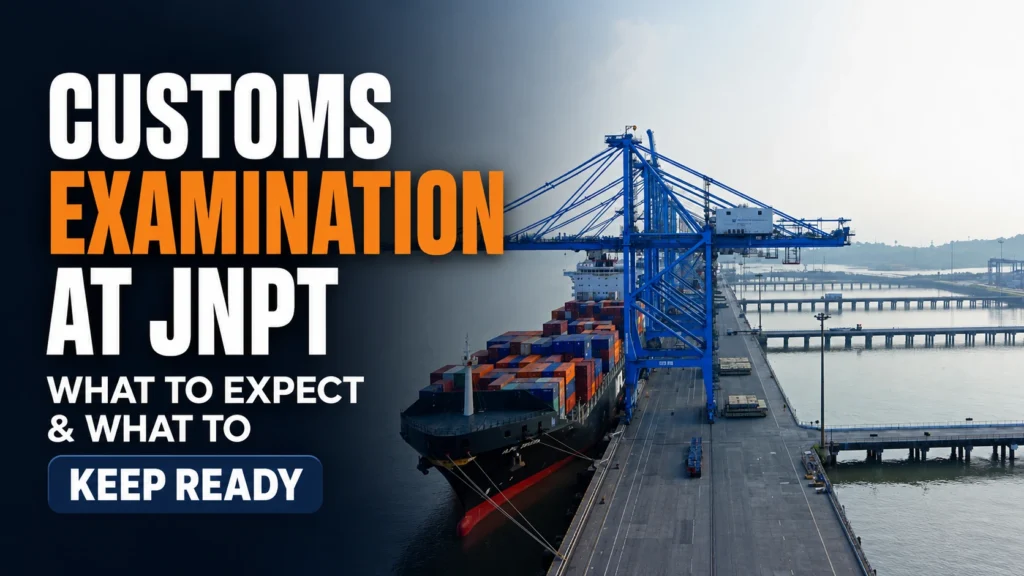
Cover image titled "Customs Examination at JNPT" featuring a container vessel docked at Jawaharlal Nehru Port with container cranes.

Customs Examination at JNPT: What to Expect and What to Keep Ready

Your shipment has been selected for examination. Now what? As India’s largest container port, JNPT handles millions of tonnes of cargo annually, making customs examinations a routine part of import clearance operations. While most shipments clear without major issues, preparation remains critical to avoiding unnecessary delays and costs. For many importers, receiving a notification about […]

Customs Examination at JNPT: What to Expect and What to Keep Ready Read More ยป

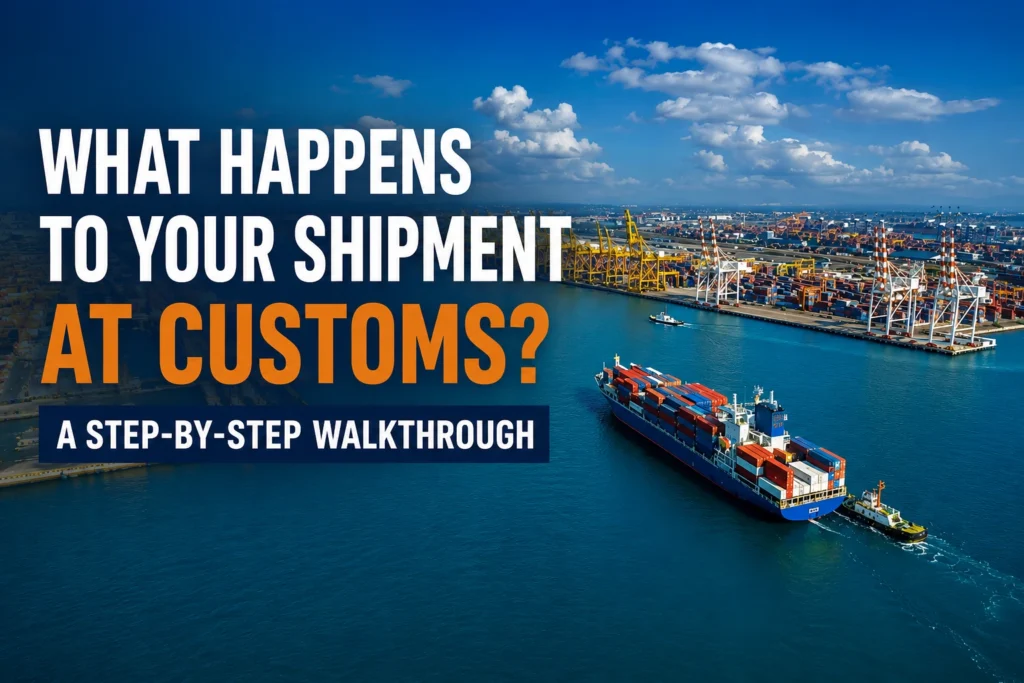
Container ship approaching a busy port with cranes and cargo terminals, illustrating customs clearance procedures.

What Happens to Your Shipment at Customs? A Step-by-Step Walkthrough

For many importers and exporters, customs clearance feels like a black box. A shipment is submitted, documents are reviewed, inspections may take place, and eventually the cargo is either cleared or held for further checks.  Understanding what actually happens during this process can help businesses avoid delays, reduce compliance risks, and plan shipments more efficiently.

What Happens to Your Shipment at Customs? A Step-by-Step Walkthrough Read More ยป

Cargo ship carrying stacked containers, illustrating import-export documentation and shipping processes.

Bill of Entry vs Bill of Lading: The Difference That Trips Up Every First-Time Importer

A shipment can travel thousands of miles without a problem, yet a simple document mix-up can leave it stuck at customs. This is exactly why understanding the difference between a Bill of Entry and a Bill of Lading is so important for importers. Although both documents are linked to the same shipment, they serve very

Bill of Entry vs Bill of Lading: The Difference That Trips Up Every First-Time Importer Read More ยป

Container yard with stacked shipping containers and lifting equipment illustrating landed cost calculation for imported goods.

How to Calculate Landed Cost for Imported Goods in India (With Formula)

A shipment quoted at โ‚น10 lakh can easily end up costing โ‚น14 lakh or more by the time it reaches your warehouse. Yet many importers make sourcing decisions based only on the supplier’s invoice value, overlooking expenses that arise throughout the import process. Freight charges, customs duties, insurance costs, port fees, and IGST on imports

How to Calculate Landed Cost for Imported Goods in India (With Formula) Read More ยป

Container ship and cargo aircraft illustrating Incoterms 2020 and international trade logistics.

Incoterms 2020 Simply Explained: The 11-Term Cheat Sheet for Indian Traders

If you import or export goods, understanding Incoterms 2020 is essential. These internationally recognized terms of trade define who is responsible for transportation, insurance, customs formalities, and delivery during a shipment. Terms such as FOB, CIF, EXW, and DDP appear on quotations, contracts, and shipping documents every day, yet they are often misunderstood. A lack

Incoterms 2020 Simply Explained: The 11-Term Cheat Sheet for Indian Traders Read More ยป

Container ship at a seaport highlighting customs clearance processes and strategies to avoid shipping delays.

6 Customs Clearance Mistakes Causing Delays at Sea Port

Key Takeaways HS code accuracy is non-negotiable: Misclassifying your product, even by a small specification difference, can trigger physical inspections and add 2โ€“5 days to your clearance timeline at the seaport. File your Bill of Entry before vessel arrival: Use the 24-hour ICEGATE window and ensure every declared value, quantity, and description matches your supporting

6 Customs Clearance Mistakes Causing Delays at Sea Port Read More ยป

Scroll to Top