Trade Schemes & Export Incentives

Government trade schemes like 100% EOU and EPCG offer significant duty benefits, but eligibility rules and compliance requirements trip up many manufacturers. This category explains how these schemes work, who qualifies, and what documentation is required to claim machinery import benefits or export-oriented unit status under current DGFT guidelines. Posts are aimed at manufacturing companies and supply chain leads evaluating whether these schemes fit their import/export operations, with a focus on practical eligibility criteria and compliance obligations rather than just scheme summaries. As more guides are added here, this category will expand to cover additional DGFT incentive programs relevant to Indian exporters and manufacturers.

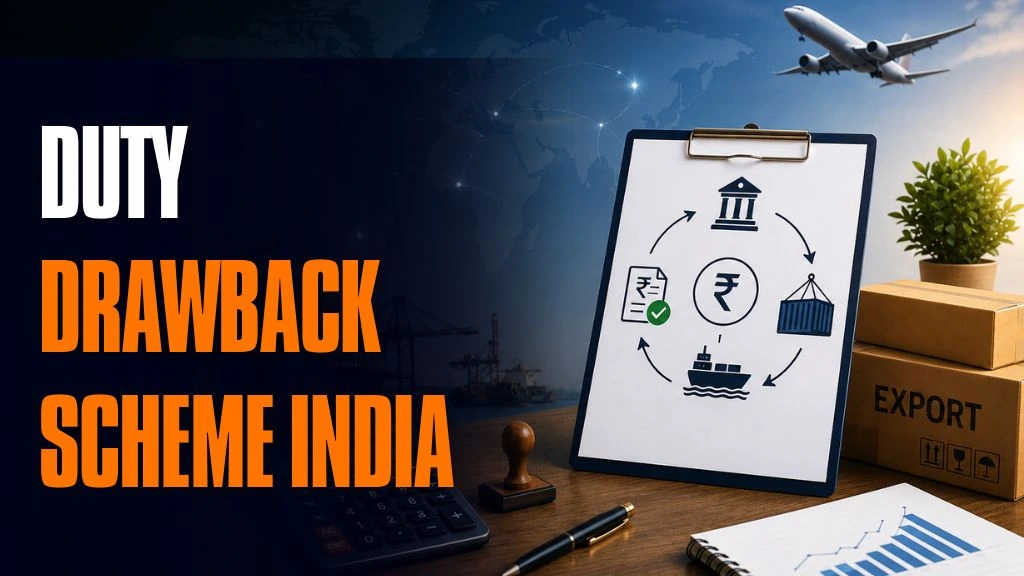
Illustration of India's Duty Drawback Scheme showing customs duty refunds, exports, and international trade documentation.

Duty Drawback Scheme India Explained: A Complete Guide for Exporters

Exporting goods from India involves more than arranging transport and completing customs formalities. If you’re paying customs duties on imported inputs used to manufacture export products, missing out on available refunds can unnecessarily increase your export costs. The duty drawback scheme in India helps eligible exporters recover certain customs duties paid on imported materials used […]

Duty Drawback Scheme India Explained: A Complete Guide for Exporters Read More ยป

Cover image titled "Understand 100% EOU in Simple Terms" featuring a container ship carrying cargo at sea.

What is a 100% EOU? A Plain-English Guide for Indian Manufacturers

Many manufacturers exploring export opportunities eventually come across the term 100% EOU. They often hear about businesses benefiting from customs-related advantages, easier access to imported inputs, and incentives designed to support export growth. Naturally, this raises important questions such as – what exactly is a 100% Export Oriented Unit? Who can apply for it? And

What is a 100% EOU? A Plain-English Guide for Indian Manufacturers Read More ยป

Cover image titled "EPCG Scheme Explained โ€“ Don't Overpay Customs Duty" featuring industrial machinery and a manufacturing facility.

The EPCG Scheme Explained: Why Most Indian Machinery Importers Overpay on Customs Duty

Importing machinery is often one of the largest investments a manufacturing business makes. Companies carefully budget for equipment costs, freight charges, insurance, and GST, only to discover that customs duty has added a significant amount to the final project cost. Key Takeaways Understanding the EPCG licence process before machinery is imported can help businesses reduce

The EPCG Scheme Explained: Why Most Indian Machinery Importers Overpay on Customs Duty Read More ยป

Scroll to Top